
Aug
05
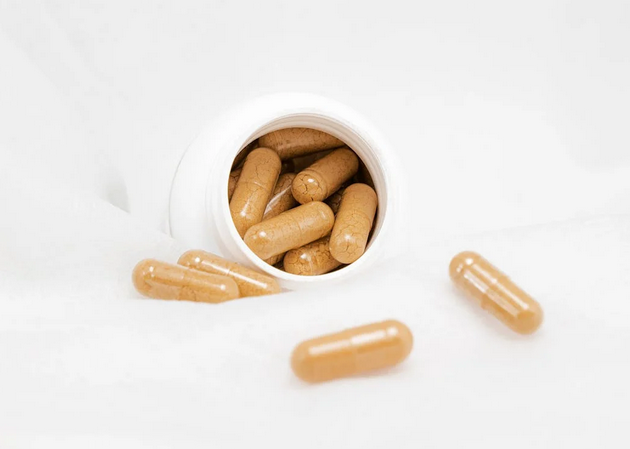
If you’ve been lifting for a while, chances are you’ve already dialed in your training, nutrition, and recovery routines. But what about supplements that work with your body’s natural processes to enhance performance? Ashwagandha, an ancient herb with a modern following, is gaining serious attention in the fitness world, especially for its potential impact on testosterone levels. Whether you’re aiming to gain strength, boost energy, or support your hormonal health, this natural adaptogen might be worth a closer look.
What Is Ashwagandha?
Ashwagandha (Withania somnifera) is an adaptogenic herb long used in Ayurvedic medicine to help the body adapt to stress and improve vitality. Traditionally used to combat fatigue and enhance focus, it’s now being studied for its ability to support hormone levels and performance metrics, particularly in active individuals. Its versatility is one reason it’s becoming a staple in supplement stacks for serious lifters.
Why Lifters Are Paying Attention

Ashwagandha isn’t just another trendy herb—it’s being backed by science. Studies have linked it to increased strength, improved muscle recovery, and higher testosterone levels, especially when combined with resistance training. In one notable study, men who supplemented with ashwagandha over eight weeks gained significantly more muscle mass and strength compared to those who took a placebo. Naturally, this caught the eye of the lifting community.
The Science Behind Hormonal Benefits
Researchers are diving into how this herb affects testosterone levels, particularly in men under physical or psychological stress. One explanation points to ashwagandha’s ability to reduce cortisol, a stress hormone that can negatively impact testosterone. By calming the body’s stress response, the herb appears to help support a healthier hormonal environment. In several clinical trials, participants taking ashwagandha saw noticeable boosts in testosterone, especially those already engaged in strength training or dealing with high stress.
Beyond Testosterone: Recovery and Endurance
While testosterone often takes the spotlight, ashwagandha offers additional benefits that lifters can appreciate. Some studies have found that it may improve cardiorespiratory endurance and reduce exercise-induced muscle damage. That means potentially faster recovery between sessions and more stamina during intense training. For anyone who’s ever felt wiped after leg day, that’s a major win.
Dosage and Timing for Results
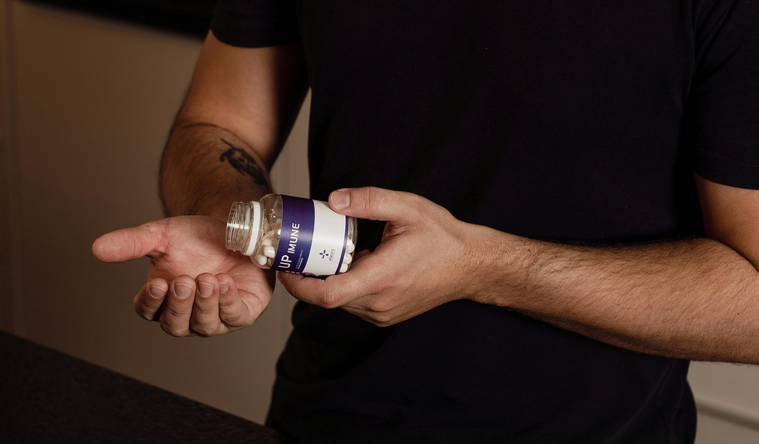
Getting the most out of ashwagandha depends on how—and how much—you take. Most studies showing positive effects have used standardized extracts like KSM-66 in doses of 300–600 mg daily. It’s often recommended to take it with meals and remain consistent for several weeks. Results typically aren’t immediate but tend to build over time, so it’s more about the long game than a quick fix.
Potential Side Effects and Safety
Although ashwagandha is generally well tolerated, not everyone should take it. Mild adverse effects including tiredness or upset stomach are possible for certain persons. It’s also important to check with a healthcare provider if you’re taking medications, have thyroid conditions, or are managing chronic health issues. That said, for most healthy individuals, it’s considered a safe and effective herbal supplement.
For lifters looking to optimize their training and support testosterone …